
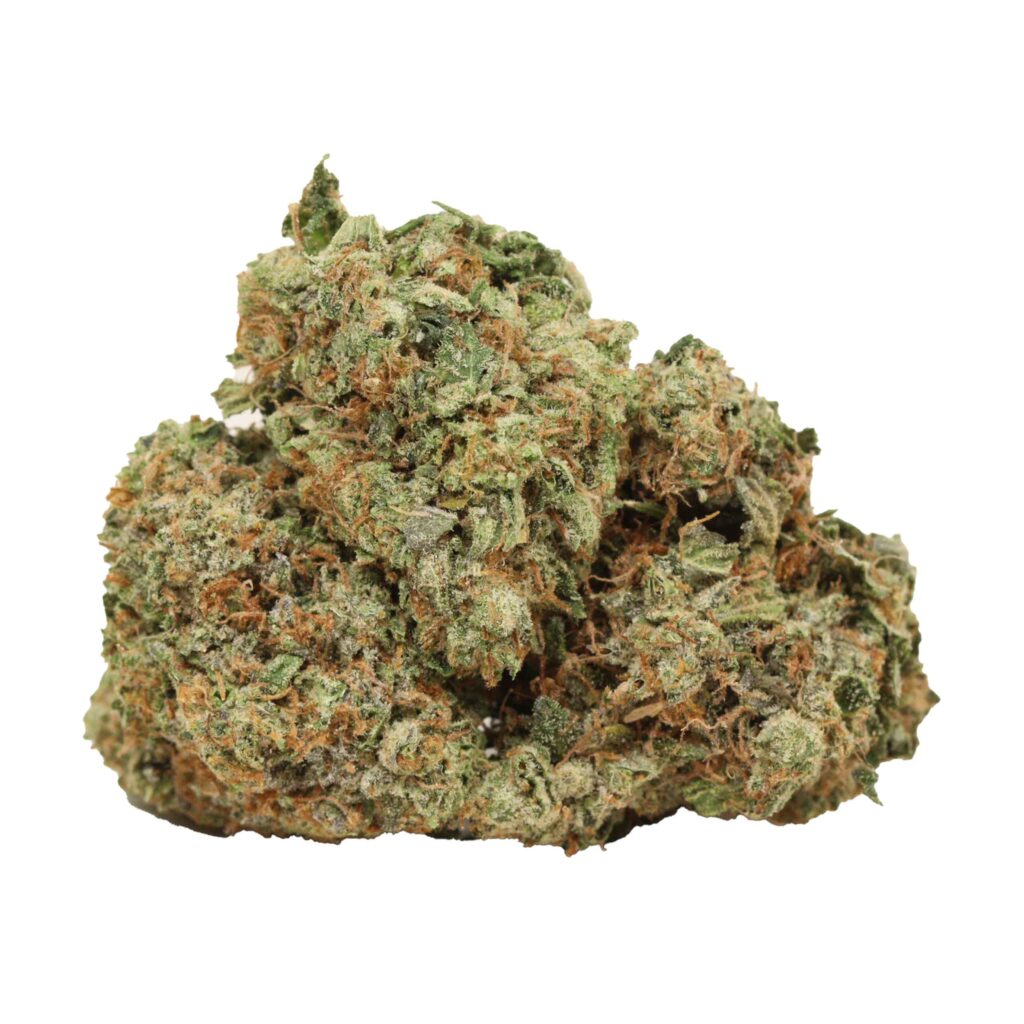
What Is HHC? Effects, Potency, Safety, Differences From THC & U.S. Legal Status
HHC, short for hexahydrocannabinol, is a cannabinoid closely related to THC. It can produce intoxicating effects, but research on HHC is still limited compared with the much larger body of research on THC.
what is HHCPeople commonly ask what HHC does, how strong it is, whether it is the same as THC, whether it can show up on a drug test, whether it is safe, and whether HHC is legal in the United States. This guide explains What is HHC and answers these questions using current scientific and legal information.
what is HHCWhat Is HHC?
HHC is a cannabinoid structurally related to delta-9 THC. Small amounts can occur naturally in cannabis, but commercially produced HHC has generally involved chemical processing because naturally occurring amounts are very limited.
HHC can exist in different molecular forms, particularly 9R-HHC and 9S-HHC. Research indicates that these forms have different levels of activity at cannabinoid receptors, which can affect the overall properties of an HHC preparation.
Because HHC products can differ in their chemical composition, the term HHC does not necessarily describe a product with one fixed potency or effect.
what is HHCDoes HHC Get You High?
Yes. HHC can produce intoxicating effects.
Research indicates that HHC interacts with cannabinoid receptors involved in the effects associated with THC. Possible effects include:
- Euphoria
- Relaxation
- Drowsiness
- Altered perception
- Dizziness
- Dry mouth
- Increased heart rate
- Anxiety
- Confusion
- Impaired coordination
The effects can vary depending on the HHC formulation, its cannabinoid composition and individual factors.
What Does HHC Feel Like?
HHC is often described as producing effects similar to THC, but there is no single experience that applies to everyone.
what is HHCSome people may experience relaxation or euphoria, while others may experience dizziness, anxiety, drowsiness or confusion.
what is HHCThe different forms of HHC also matter. Research has found that 9R-HHC is considerably more active at cannabinoid receptors than 9S-HHC.
For this reason, claims that HHC always feels weaker, stronger or different from THC should be treated cautiously.
How Strong Is HHC?
There is no single potency percentage that applies to every HHC product.
Research has found differences between HHC isomers, with 9R-HHC showing substantially greater activity than 9S-HHC. Some studies have also found HHC to have lower overall activity than delta-9 THC.
As a result, statements such as “HHC is 80% as strong as THC” should not be treated as a universal scientific fact.
HHC potency can depend on:
- HHC concentration
- The ratio of HHC isomers
- Other cannabinoids present
- Product formulation
- Individual response
- Product quality and labeling accuracy
HHC vs. THC
HHC and THC are related cannabinoids, but they are not the same compound.
Delta-9 THC is the primary intoxicating cannabinoid associated with traditional cannabis. HHC has a related chemical structure but contains additional hydrogen atoms, giving it a different molecular structure.
| Feature | HHC | Delta-9 THC |
|---|---|---|
| Full name | Hexahydrocannabinol | Delta-9-tetrahydrocannabinol |
| Intoxicating | Yes | Yes |
| Natural occurrence | Trace amounts | Naturally occurring in cannabis |
| Human research | Limited | Extensive |
| Important forms | 9R-HHC and 9S-HHC | Different molecular structure |
| Safety evidence | Limited | More extensively studied |
The biggest difference is the amount of scientific evidence available. THC has been studied extensively, while important questions about HHC remain unanswered.
HHC vs. Delta-8 THC
HHC and delta-8 THC are different cannabinoids, although both are chemically related to THC.
Both can produce intoxicating effects, but their chemical structures, pharmacological properties and legal considerations differ.
It is difficult to state that HHC is always stronger or weaker than delta-8 THC because HHC products can vary considerably in composition.
what is HHCWhat Are the Effects of HHC?
Potential short-term effects of HHC include:
- Euphoria
- Relaxation
- Drowsiness
- Altered perception
- Dizziness
- Dry mouth
- Increased heart rate
- Anxiety
- Confusion
- Impaired coordination
- Slower reaction time
Research on HHC exposure has also documented neurological, cardiovascular and gastrointestinal symptoms in some cases.
what is HHCThe available evidence does not establish that everyone exposed to HHC will experience these effects. It does show that HHC can have unwanted effects and should not be assumed to be harmless.
Is HHC Safe?
The long-term safety of HHC has not been adequately established.
what is HHCOne of the main reasons is the limited amount of human research. Compared with THC, considerably less is known about HHC’s long-term effects, toxicology and potential health risks.
Product composition is another concern. HHC preparations can contain different cannabinoid forms, concentrations and other substances depending on how they are produced.
what is HHCPotential unwanted effects include:
- Dizziness
- Anxiety
- Confusion
- Drowsiness
- Headache
- Increased heart rate
- Nausea
- Impaired coordination
Serious reactions have also been reported following exposure to HHC and related cannabinoids.
Can HHC Show Up on a Drug Test?
Yes, HHC can potentially cause a positive cannabinoid drug test.
HHC is metabolized into compounds that can be detected in human samples. Some HHC metabolites can also cross-react with tests designed to detect THC metabolites.
Research has found positive urine screening results following HHC exposure.
Therefore, people subject to workplace, athletic, military or other drug-testing requirements should not assume that HHC is undetectable.
How Long Does HHC Stay in Your System?
There is currently no universally established detection period for HHC.
Detection can depend on:
- The type of drug test
- The testing method
- Individual metabolism
- Frequency of exposure
- The amount involved
- The specific HHC compounds present
- The sensitivity of the test
Because HHC has not been studied as extensively as THC, precise detection-time claims should be treated cautiously.
Is HHC Legal in the United States?
HHC’s federal legal status is an important issue because the law changed significantly in 2026.
HHC Federal Legal Status in 2026
On May 4, 2026, the U.S. Drug Enforcement Administration specifically listed hexahydrocannabinol, or HHC, as a Schedule I controlled substance under the Controlled Substances Act.
The DEA assigned HHC drug code 7220. The agency stated that HHC was already controlled as a tetrahydrocannabinol and separately listed it to provide greater clarity.
This means that older articles describing HHC as simply “federally legal because it is hemp-derived” may no longer accurately reflect the current federal position.
What About the 2018 Farm Bill?
The 2018 Farm Bill established the federal framework that distinguished hemp from marijuana based largely on delta-9 THC concentration.
That legislation contributed to the growth of the hemp-derived cannabinoid market.
However, hemp-derived does not automatically mean that every cannabinoid is federally lawful.
The DEA’s current position specifically addresses chemically produced tetrahydrocannabinols and their relationship to the federal hemp exclusion.
Federal hemp law is also scheduled for another significant change on November 12, 2026, making the date of publication particularly important when evaluating information about HHC legality.
Is HHC Legal in Every State?
No.
Federal law and state law can differ. Individual states may impose additional restrictions on HHC and other intoxicating cannabinoids.
State laws can also change independently of federal law.
Anyone researching the legality of HHC should therefore check the current rules in the specific state or jurisdiction involved.
Is HHC Natural?
HHC can occur naturally in cannabis, but only in very small amounts.
Commercial HHC has generally involved chemical processing because naturally occurring quantities are too limited for practical commercial production.
Therefore, the terms natural, hemp-derived and chemically produced should not automatically be treated as interchangeable.
HHC and Product Quality
HHC products can differ in their cannabinoid composition and concentration.
The presence of HHC on a product label does not necessarily reveal the exact proportion of its different isomers or the presence of other compounds.
Independent laboratory testing can provide information about cannabinoid content and contaminants, although testing does not by itself establish that a product is safe or legally permitted.
Frequently Asked Questions About HHC
What does HHC stand for?
HHC stands for hexahydrocannabinol, a cannabinoid structurally related to THC.
Does HHC get you high?
Yes. HHC can produce intoxicating effects.
Is HHC the same as THC?
No. HHC and THC are chemically related but distinct cannabinoids.
Is HHC stronger than THC?
There is no single answer for every HHC product. Different HHC isomers have different levels of activity, and product composition can vary.
Is HHC safe?
The long-term safety profile of HHC has not been adequately established because human research remains limited.
Can HHC show up on a drug test?
Yes. HHC metabolites can potentially interfere with some cannabinoid drug tests.
How long does HHC stay in your system?
There is no universally established detection period. It depends on the testing method and individual factors.
Is HHC federally legal?
As of May 4, 2026, the DEA specifically lists HHC as a Schedule I controlled substance under federal law.
Is HHC legal in all states?
No. State laws can impose additional restrictions and can change over time.
Is HHC natural?
Trace amounts can occur naturally in cannabis, but commercial HHC has generally been produced through chemical processing.
The Bottom Line
HHC, or hexahydrocannabinol, is a THC-related cannabinoid capable of producing intoxicating effects.
what is HHCResearch suggests that HHC can affect the cannabinoid system, but its effects and potency can vary because HHC products may contain different molecular forms and concentrations.
The scientific evidence surrounding HHC is still limited, particularly regarding long-term safety. HHC can also create a drug-testing risk because its metabolites may interact with some cannabinoid screening tests.
what is HHCThe legal situation is equally important. As of May 4, 2026, the DEA specifically lists HHC as a Schedule I controlled substance under U.S. federal law.
Because federal and state laws can change, information about HHC legality should always be checked against the current law applicable to the relevant jurisdiction.
what is HHCThis article is provided for educational purposes and does not constitute medical or legal advice. Scientific evidence and laws can change over time.