
Cannabis Flower – Strains, Profiles & Essential Guide
Cannabis flower is the traditional form of cannabis, consisting of the dried and cured flowers of the cannabis plant. Also commonly referred to as cannabis buds or dried flower, it is available in a wide range of strains, aromas, flavours, colours, structures, and cannabinoid profiles.
Our Cannabis Flower category brings together detailed information about different cannabis varieties and their individual characteristics. From distinctive purple buds and sweet fruit-forward profiles to earthy, gassy, citrus, and floral aromas, every strain can offer a different combination of appearance and sensory characteristics.
Whether you are researching cannabis strains, comparing flower profiles, or learning more about cannabinoids and terpenes, understanding these characteristics can help you make more informed decisions.
What Is Cannabis Flower?
Cannabis flower refers to the flowering portion of the cannabis plant that is harvested, dried, and cured. The buds contain naturally occurring cannabinoids, aromatic compounds, and other plant components that contribute to the characteristics of each variety.
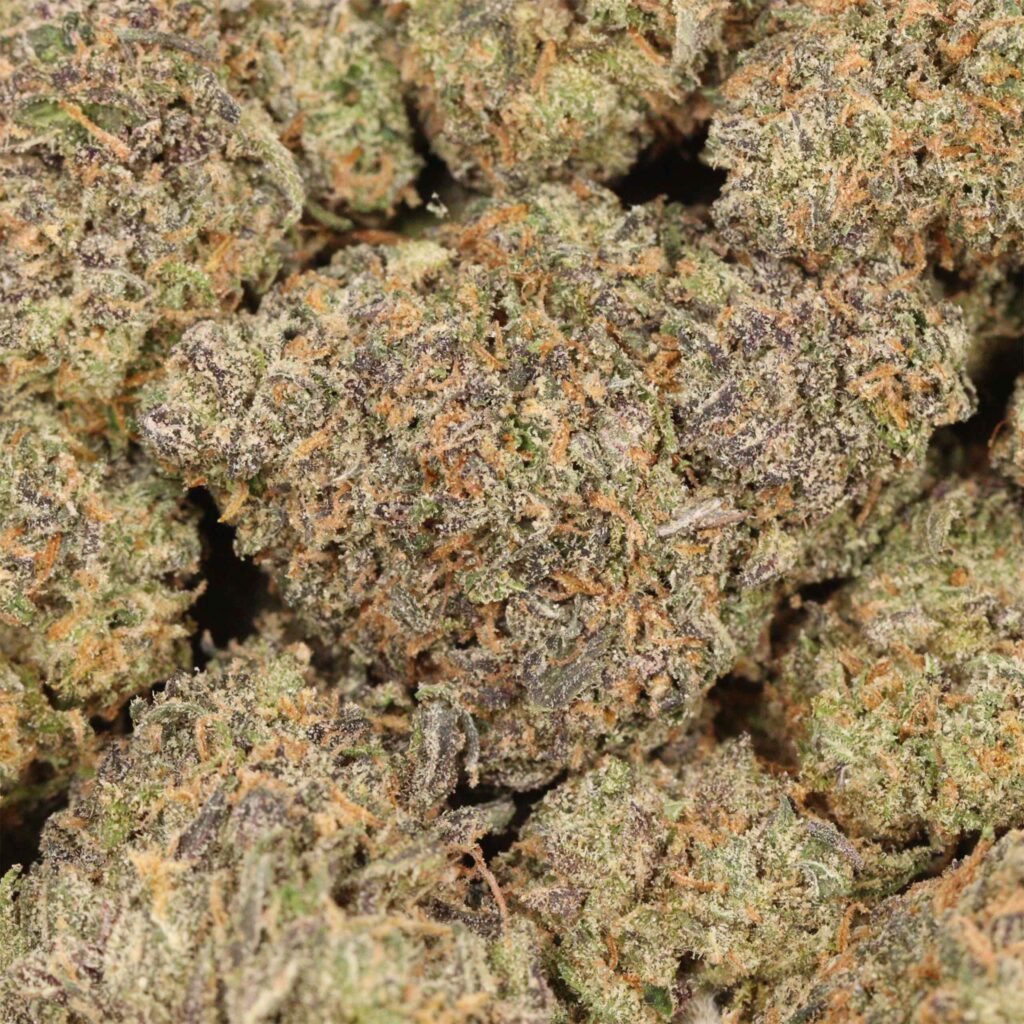
The appearance of dried buds can vary considerably. Flowers may range from light green to darker green and can sometimes display purple, orange, or other natural colour variations. Trichomes, the tiny resin-producing structures found on the flowers, can give properly developed buds a frosty or sparkling appearance.
After harvesting, the flowers generally undergo drying and curing. These processes are important for maintaining texture, aroma, and overall presentation while helping preserve the characteristics developed during cultivation.
Cannabis Flower Strains and Varieties
One of the most interesting aspects of cannabis is the enormous variety of available strains and cultivars. Each variety can have a different genetic background, cannabinoid concentration, aromatic composition, appearance, flavour, and overall profile.
Cannabis varieties are commonly described using categories such as indica, sativa, and hybrid. These terms can provide useful background information, but they do not necessarily predict exactly how an individual will experience a particular strain. Modern cannabis genetics are diverse, and many cultivars contain characteristics associated with multiple lineages.
Our strain profiles provide more detailed information about individual varieties, allowing you to compare characteristics rather than relying on a single classification.
For example, Grand Daddy Purple is known for its distinctive purple-toned appearance and complex aromatic profile.
[INTERNAL LINK: Grand Daddy Purple]
Another example is Hawaiian Runtz, which is associated with tropical, fruity, and sweet aromatic characteristics.
[INTERNAL LINK: Hawaiian Runtz]
As you explore different strains, comparing individual profiles can provide a clearer picture of differences in appearance, aroma, flavour, genetics, and cannabinoid content.
Appearance and Bud Structure
The visual appearance of cannabis buds can provide useful information about the flower, although appearance alone does not determine overall quality.
Important characteristics include:
- Colour: Flowers can display different shades of green along with purple or other natural colour variations.
- Bud structure: Flowers may be compact, dense, fluffy, or moderately structured depending on genetics and cultivation.
- Trichomes: These resin-producing structures can give buds a frosty or crystalline appearance.
- Pistils: Fine hair-like structures can range from white and yellow to orange, red, or brown.
- Bud size: Individual flowers can vary from small to medium and large.
- Texture: Properly dried and cured flower should have an appropriate balance of firmness and moisture.
Different strains can look dramatically different from one another. Genetics, growing conditions, harvesting methods, drying, curing, and storage can all influence the final appearance of the buds.
Aroma, Terpenes and Flavour
Aroma and flavour are major characteristics used to distinguish one variety from another. Some flowers have sweet and fruity profiles, while others can feature earthy, floral, citrus, diesel, fuel, pine, or gassy notes.
These characteristics are influenced in part by naturally occurring aromatic compounds found in cannabis and many other plants.
A particular strain may contain several aromatic characteristics at once. For example, one cultivar can combine sweet fruit notes with citrus and floral undertones, while another may feature earthy, fuel, and gassy characteristics.
When reviewing a strain, look for specific flavour and aroma descriptions rather than relying only on broad categories such as “sweet” or “strong.” A detailed profile can provide a better understanding of the sensory characteristics associated with a particular batch.
THC, CBD and Cannabinoid Profiles
These flowers contain cannabinoids, with THC and CBD being two of the most widely discussed. The concentration of these compounds can vary significantly between strains and individual batches.
THC is the primary intoxicating cannabinoid associated with cannabis, while CBD is another naturally occurring cannabinoid that does not produce the same intoxicating effect as THC.
Cannabinoid percentages should always be considered in the context of the specific product and batch. Laboratory testing provides more reliable information than generalized strain descriptions because cannabinoid concentrations can vary according to genetics, cultivation, harvest timing, processing, and other factors.
Other cannabinoids may also be present in smaller quantities. Looking at a complete cannabinoid profile can therefore provide more information than focusing exclusively on THC percentage.
Quality, Drying and Curing
The quality of dried flower is influenced by multiple stages of production. Genetics provide the foundation, but cultivation, harvesting, drying, curing, storage, and handling can all affect the final product.
Curing is particularly important because it can influence aroma, texture, and overall presentation. Properly managed flower should retain its characteristic aroma without being excessively dry or overly moist.
When evaluating a batch, consider several characteristics together rather than judging quality based on appearance alone. Bud structure, trichome development, aroma, texture, curing, cannabinoid content, and laboratory testing can all contribute to a more complete evaluation.
Featured Strain Profiles
Our individual strain pages provide detailed information about specific cannabis varieties. These profiles can include genetics, appearance, bud structure, flavour, aroma, cannabinoid information, and batch-specific characteristics.
Grand Daddy Purple
Grand Daddy Purple is a distinctive variety associated with purple-toned buds and a complex combination of earthy, sweet, floral, and other aromatic characteristics. Its visual appearance makes it particularly recognizable among purple-coloured cultivars.
[INTERNAL LINK: Grand Daddy Purple]
Hawaiian Runtz
Hawaiian Runtz is a flavour-forward variety associated with tropical, fruity, and sweet characteristics. Its profile provides an example of how a cultivar can combine multiple aromatic and flavour elements into one distinctive flower.
[INTERNAL LINK: Hawaiian Runtz]
Additional strain pages can be added to this section as your catalog grows. Linking individual profiles from this pillar page creates a useful structure for visitors and helps search engines understand the relationship between your main category and individual varieties.
How to Compare Different Strains
When comparing different varieties, consider more than just the strain name or THC percentage.
Useful factors include:
- Genetics: The genetic background can help explain differences between cultivars.
- Cannabinoids: Review THC, CBD, and other available cannabinoid information.
- Aromatic compounds: Terpene information can help describe the sensory characteristics of a specific batch.
- Appearance: Compare colour, bud structure, trichome coverage, and flower size.
- Aroma: Look for specific descriptions such as fruity, floral, earthy, citrus, diesel, fuel, or gassy.
- Flavour: Consider whether the profile is sweet, fruity, earthy, spicy, citrus-forward, floral, or fuel-like.
- Curing: Proper drying and curing can influence texture and aroma.
- Batch information: Current laboratory and batch data provide more reliable information than generic strain descriptions.
Cannabis Flower FAQs
What is cannabis flower?
Cannabis flower is the dried and cured flowering portion of the cannabis plant. It is commonly called cannabis buds or dried flower and contains naturally occurring cannabinoids and aromatic compounds.
What are the different types of cannabis flower?
There are many different cultivars and genetic profiles. They are often described as indica, sativa, or hybrid, although these classifications do not fully capture the chemical and genetic diversity of modern cannabis.
What gives cannabis flower its aroma?
The aroma is influenced largely by aromatic compounds and other naturally occurring components. Different combinations can contribute to fruity, floral, earthy, citrus, pine, diesel, fuel, and gassy aromas.
Why does cannabis flower have different colours?
Flowers can naturally display different shades of green and may also develop purple or other colour variations. Genetics and growing conditions can influence flower pigmentation.
What does THC percentage mean?
THC percentage indicates the measured concentration of THC in a cannabis product. The actual concentration can vary between strains and batches, so laboratory testing for the specific product provides the most reliable information.
How important is curing for cannabis flower?
Drying and curing can have a significant effect on the final texture, aroma, and overall presentation of dried buds. Proper post-harvest handling helps preserve desirable characteristics.
Explore Different Strain Profiles
Cannabis flower encompasses a broad range of cultivars with different genetic backgrounds, appearances, cannabinoid concentrations, aromas, flavours, and aromatic profiles.
From colourful purple flowers to tropical and fruit-forward varieties, exploring individual strain profiles provides a more detailed understanding of what makes each cultivar unique.
Browse the individual strain profiles in this category to compare flower varieties, explore their documented characteristics, and learn more about cannabinoids, aromas, flavours, genetics, and batch information.
“`