
Recreational Marijuana – Strains, Products & Essential Guide
Recreational Marijuana covers a broad range of adult-use cannabis products, including flower, concentrates, pre-rolls, and other formats. Each product can have different characteristics depending on its genetics, cannabinoid profile, cultivation, processing, and batch.
Recreational Marijuana refers to cannabis intended for adult use rather than a specific medical purpose. The modern cannabis market includes a broad range of strains, flower varieties, concentrates, and other product formats, each with its own characteristics. Understanding these differences can make it easier to research cannabis products and compare information from one variety or batch to another.
This guide explores the main characteristics of recreational cannabis, including strains, cannabinoids, aromas, flavours, terpenes, product formats, potency, and quality considerations. Because cannabis laws, age requirements, possession limits, and permitted products vary by location, consumers should always follow the regulations applicable to their jurisdiction.
What Is Recreational Marijuana?
Understanding Recreational Marijuana also means looking beyond the product name. Factors such as THC concentration, CBD content, terpene composition, aroma, flavour, appearance, and laboratory testing can provide a more complete picture of an individual product.
Recreational marijuana is a commonly used term for cannabis intended for adult use. It is also frequently described as adult-use cannabis or recreational cannabis.Unlike medical cannabis, which may be used within a healthcare context, adult-use products are generally discussed according to their recreational, sensory, and product characteristics. These can include flower appearance, cannabinoid concentration, aroma, flavour, terpene composition, genetics, and product format.
Cannabis contains naturally occurring cannabinoids and aromatic compounds. The composition of an individual product can vary depending on its genetics, cultivation methods, harvesting, processing, curing, and storage.
When researching a particular product, batch-specific laboratory information is generally more useful than relying solely on a strain name or general description.
Recreational Cannabis Strains and Varieties
One of the most important parts of the cannabis market is its wide range of cultivars. A strain can have a distinctive genetic background, appearance, aroma, flavour, cannabinoid profile, and terpene composition.
Cannabis varieties are often categorized as indica, sativa, or hybrid. These labels can provide a general description of genetic lineage, but they do not completely describe the chemical composition of a cultivar or reliably predict an individual’s experience.
Modern breeding has produced thousands of named varieties with different combinations of characteristics. For this reason, it is useful to look beyond the strain name and examine the available cannabinoid and terpene information.
Individual strain profiles can also provide useful details about:
- Genetic background
- Bud appearance
- Flower structure
- Aroma
- Flavour
- THC and CBD concentration
- Terpene composition
- Batch information
- Cultivation and curing characteristics
Types of Recreational Cannabis Products
Adult-use cannabis can be found in several different formats. Availability depends on local laws and regulations, but common categories include flower, concentrates, pre-rolls, and edible products.
Cannabis Flower
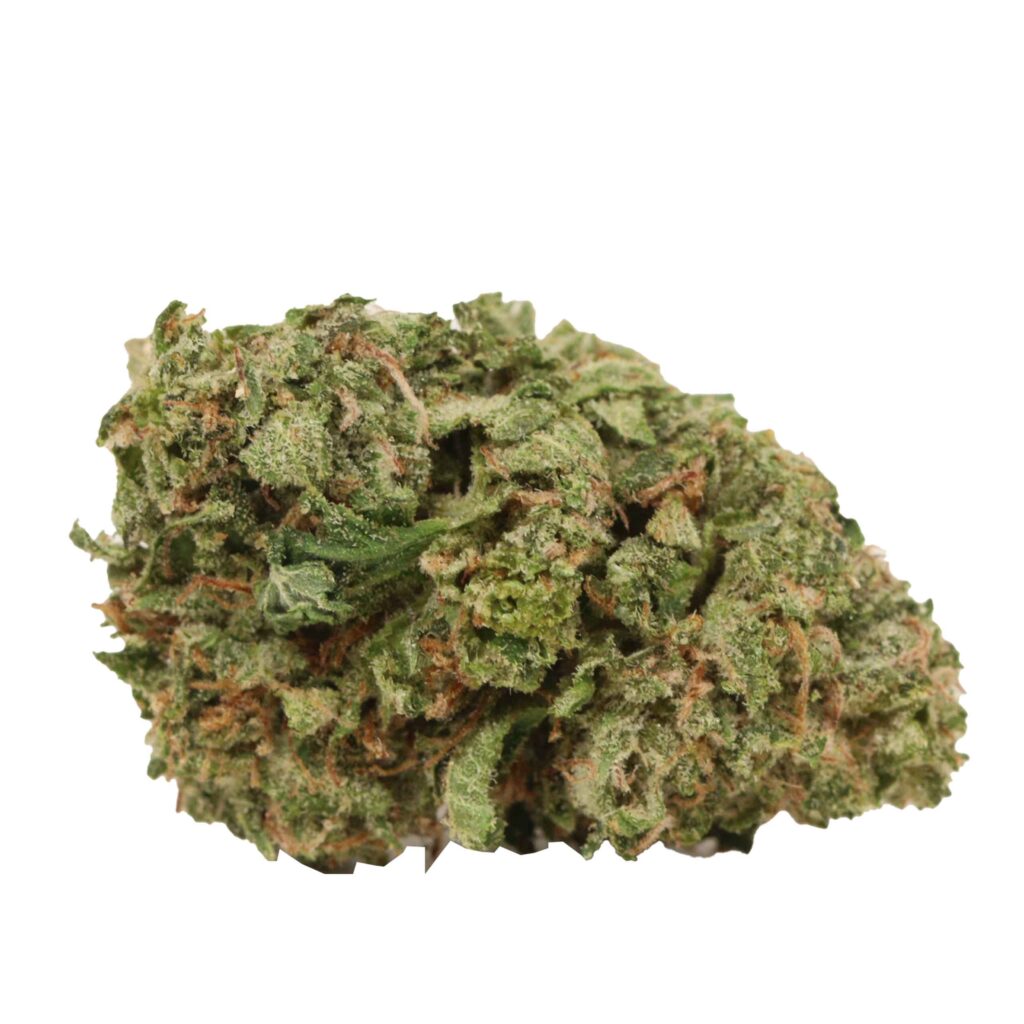
Flower consists of the dried and cured flowering portions of the cannabis plant. It is available in numerous cultivars with different colours, bud structures, aromas, flavours, and cannabinoid profiles.
Some varieties are recognized for purple-toned buds, while others may feature bright green flowers and extensive trichome coverage. Aromatic profiles can range from sweet and fruity to earthy, floral, citrus, diesel, pine, or gassy.
Cannabis Concentrates
Concentrates are products made by processing cannabis material to collect compounds such as cannabinoids and aromatic components in a more concentrated form.
Different extract types can have significantly different textures, appearances, production methods, and cannabinoid concentrations. Examples include rosin, live resin, wax, shatter, and hash.
Because extraction methods and product compositions can vary, laboratory testing and product-specific information are important when comparing different extracts.
Pre-Rolls
Pre-rolls contain prepared cannabis flower in a ready-to-use format. Their characteristics generally reflect the flower used to produce them, although individual products can vary according to the materials, preparation methods, and batch.
Edible Products
Edibles are cannabis products designed for oral consumption. They differ considerably from inhaled products because cannabinoids are processed differently by the body.
The amount of THC or other cannabinoids should always be checked on the product label, and consumers should follow applicable regulations and product instructions.
Understanding THC and CBD
THC and CBD are two of the most widely discussed cannabinoids in cannabis.
THC is the cannabinoid primarily associated with cannabis’s intoxicating properties. CBD is another naturally occurring cannabinoid that does not produce the same intoxicating effect as THC.
Cannabinoid concentrations can vary considerably between cultivars and batches. A product described as having a particular THC level should therefore be evaluated using its current laboratory or batch information whenever available.
Other cannabinoids can also occur in cannabis in smaller quantities. Looking at a complete cannabinoid profile can provide a more detailed picture of a product than focusing on THC alone.
Potency and Cannabinoid Concentration
Potency is an important consideration when comparing cannabis products. For flower, potency is commonly expressed as a percentage of cannabinoids by weight, while other product formats may use different measurements.
A higher THC percentage does not necessarily mean that every consumer will have the same experience. Individual factors, product format, tolerance, consumption amount, and cannabinoid and terpene composition can all influence the overall experience.
For accurate product information, consumers should prioritize current laboratory results and clearly presented product labels.
Aroma, Flavour and Terpenes
Aroma and flavour are among the most noticeable differences between cannabis varieties. One cultivar may have a sweet tropical character, while another may feature earthy, citrus, floral, fuel, diesel, or gassy notes.
These sensory characteristics are influenced partly by terpenes, naturally occurring aromatic compounds found in cannabis and many other plants.
A single variety can contain a combination of several aromatic characteristics. For example, a fruit-forward profile may include sweet and citrus notes alongside floral undertones, while a fuel-forward cultivar may combine diesel and earthy characteristics.
Terpene information can be especially useful when comparing products because it provides additional detail beyond THC and CBD percentages.
Cannabis Flower Appearance and Quality
Visual characteristics can help distinguish different varieties, although appearance alone should not be treated as a complete measure of quality.
When examining dried buds, useful characteristics include:
- Colour: Green, purple, orange, and other natural variations may occur.
- Structure: Flowers can range from compact and dense to lighter and more open.
- Trichomes: Resin-producing structures may create a frosty appearance.
- Pistils: These fine structures can range from pale to orange, red, or brown.
- Texture: Proper drying and curing influence the final texture.
- Aroma: A strong, recognizable aroma can provide information about the flower’s aromatic profile.
Cultivation, harvesting, drying, curing, packaging, and storage can all influence the final characteristics of a batch.
How to Compare Recreational Cannabis Products
When comparing different products, looking at the strain name alone is not enough. A more complete comparison should consider several factors.
Genetics
Genetic background can help explain why two cultivars have different appearances, aromas, flavours, and cannabinoid profiles.
Cannabinoids
Check the THC, CBD, and other available cannabinoid information. Batch-specific laboratory data is preferable to generalized strain claims.
Terpene Profile
Terpene composition can provide useful information about aroma and flavour and may help distinguish otherwise similar products.
Appearance
For flower products, examine colour, bud structure, trichome coverage, pistils, and texture.
Aroma and Flavour
Detailed sensory descriptions can make it easier to distinguish fruity, sweet, earthy, floral, citrus, diesel, fuel, pine, and gassy profiles.
Production and Curing
Drying, curing, extraction, packaging, and storage methods can influence the final product characteristics.
Batch Information
A current batch number, laboratory report, cannabinoid analysis, and terpene information can provide more useful product-specific information than generic descriptions.
Featured Cannabis Strain Profiles
Individual strain pages can provide more detailed information about specific cultivars and their characteristics. These profiles can cover genetics, appearance, aroma, flavour, cannabinoids, terpenes, bud structure, and batch information.
Grand Daddy Purple
Grand Daddy Purple is recognized for its distinctive purple-toned appearance and complex aromatic profile. Its documented characteristics can include earthy, sweet, floral, and other complementary notes.
[INTERNAL LINK: Grand Daddy Purple]
Hawaiian Runtz
Hawaiian Runtz is associated with a tropical, fruity, and sweet profile. Its characteristics demonstrate how modern cannabis varieties can combine multiple aromatic and flavour elements.
[INTERNAL LINK: Hawaiian Runtz]
As your catalog expands, additional strain profiles can be added to this section. This creates a useful internal-linking structure between the main category and individual product pages.
Recreational Marijuana and Responsible Information
Cannabis products can contain significant levels of THC, and individual responses can vary. Anyone researching or using adult-use cannabis should understand the applicable laws and product information in their location.
Consumers should pay attention to product labels, cannabinoid concentrations, serving information where applicable, and any official safety guidance. Cannabis should not be used in situations where impairment could create a safety risk, including driving or operating machinery.
Age restrictions and regulations also differ between jurisdictions. Always consult current local requirements before purchasing, possessing, or using cannabis products.
Recreational Marijuana FAQs
What is recreational marijuana?
Recreational marijuana is a common term for cannabis intended for adult use rather than a specific medical purpose. It is also commonly referred to as recreational or adult-use cannabis.
What types of recreational cannabis products are available?
Depending on local regulations, adult-use cannabis may be available as flower, concentrates, pre-rolls, edibles, and other regulated formats.
What is the difference between indica, sativa, and hybrid?
These terms are commonly used to describe cannabis genetic categories. However, they do not fully describe a product’s chemical composition or reliably predict an individual’s experience.
What does THC percentage mean?
THC percentage represents the measured concentration of THC in a cannabis product. Actual values can differ between cultivars and batches, making current laboratory testing particularly useful.
What is CBD?
CBD is a naturally occurring cannabinoid found in cannabis. Unlike THC, it does not produce the same intoxicating effect.
What are terpenes in cannabis?
Terpenes are naturally occurring aromatic compounds that contribute to the distinctive aromas and flavours found in different cannabis varieties.
Why do cannabis strains have different aromas?
Different genetic backgrounds and chemical compositions can produce different combinations of aromatic compounds. Growing, harvesting, curing, and storage can also influence the final aroma.
How should cannabis products be compared?
Consider genetics, cannabinoid concentrations, terpene composition, product format, appearance, aroma, flavour, production methods, laboratory testing, and batch information rather than relying on the strain name alone.
Explore Recreational Cannabis Varieties
The world of recreational cannabis includes a diverse range of cultivars and product formats. From colourful dried buds and aromatic flower to concentrates and other regulated products, each category can have its own characteristics and product information.
Exploring individual strain profiles provides a more detailed way to understand differences in genetics, cannabinoids, aromas, flavours, appearance, and batch composition.
Use the information provided for each individual product to compare documented characteristics and build a better understanding of the wider adult-use cannabis market.